

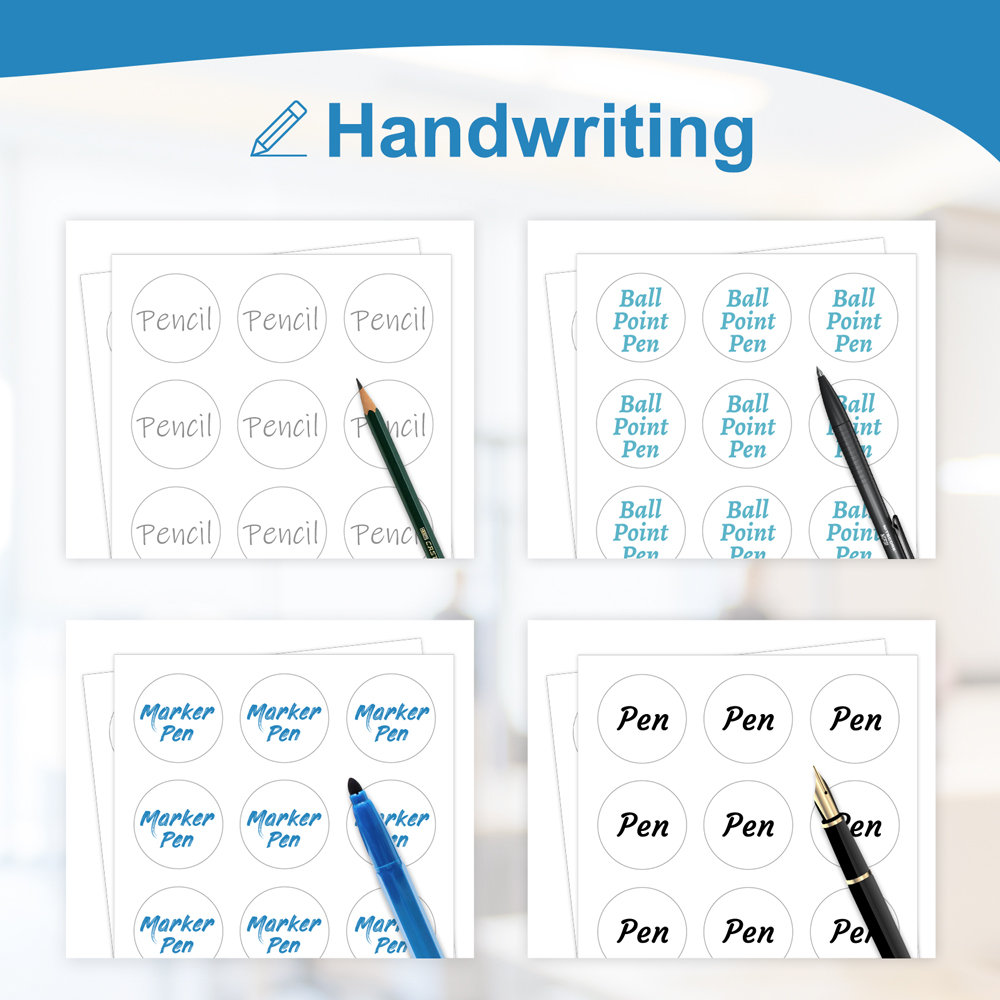
1.What are the advantages?
1. Organizational Efficiency
Label sheets help streamline organization in both professional and personal settings. They enable easy categorization and quick identification of items, reducing time spent searching for materials and improving overall productivity.
2. Customization
Label sheets can be customized to meet specific needs. They come in various shapes, sizes, and materials, allowing users to design and print labels that suit their particular requirements. This is particularly beneficial for branding and marketing purposes.
3. Cost-Effectiveness
Purchasing label sheets in bulk can be cost-effective for businesses. The cost performance of label paper is higher than that ofSemi Gloss Art Paper Sticker.They offer a relatively low-cost solution for labeling needs, especially compared to custom-printed labels. This makes them an attractive option for startups and small businesses looking to manage expenses.
4. Versatility
Label sheets are highly versatile and can be used in numerous applications, including shipping and mailing, product labeling, file organization, and inventory management. Their adaptability makes them valuable in various industries, from retail to healthcare.
2.What occasions is it suitable for?
1. Product Packaging and Branding
Label sheets are essential for product packaging, offering a professional appearance and vital information such as product names, ingredients, and branding elements. They help businesses enhance their product presentation and ensure compliance with labeling regulations.
2. Shipping and Logistics
In the shipping and logistics industry, label sheets are indispensable for creating address labels, barcodes, and tracking information. They streamline the shipping process, reduce errors, and improve efficiency in warehouses and distribution centers.
3. Office Organization
Label sheets are widely used in offices for filing, organizing supplies, and labeling equipment. They help maintain a tidy workspace, making it easier to locate documents and items, thus boosting productivity.
4. Event Planning and Management
Event planners use label sheets to create name tags, seating arrangements, and promotional materials. They ensure smooth operations and a personalized experience for attendees at conferences, weddings, and other gatherings.
5. Retail and Pricing
Retailers rely on label sheets for pricing tags, sale stickers, and inventory management. Clear and accurate labeling helps customers make informed purchasing decisions and assists staff in keeping track of stock levels.
6. Educational Purposes
In educational settings, label sheets are used for labeling books, supplies, and classroom materials. They aid in organization and help students and teachers easily identify and access resources.
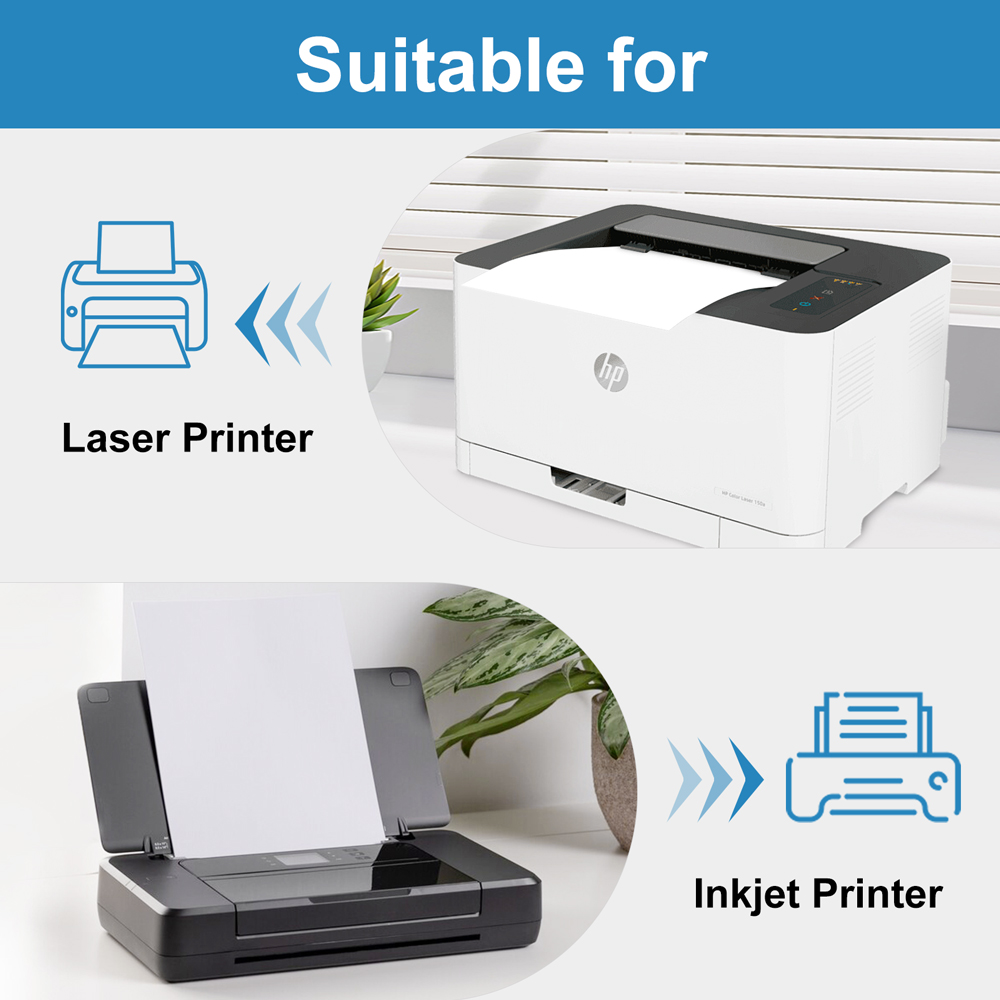
3. What should you pay attention to during installation and maintenance?
Installation
1. Surface Preparation: Before applying a label, ensure the surface is clean, dry, and free of dust, grease, or other contaminants. This step is vital for the label to adhere properly and stay in place over time.
2. Handling Labels: Handle the labels carefully to avoid touching the adhesive side. Oils and dirt from your fingers can reduce the adhesive's effectiveness, leading to labels peeling off prematurely.
3. Correct Alignment: Take your time to align the label correctly before pressing it down. Misalignment can affect the appearance and readability of the label and may require repositioning, which can weaken the adhesive.
4. Apply Even Pressure: After placing the label, apply firm and even pressure across the entire surface to ensure full contact with the substrate. This helps to eliminate air bubbles and ensures a strong bond.
Maintenance
1. Regular Inspection: Periodically check the labels to ensure they are still firmly attached and legible. Look for signs of wear, peeling, or fading, and replace any labels that have deteriorated.
2. Environmental Considerations: Be aware of the environmental conditions where the labels are used. Extreme temperatures, humidity, and exposure to chemicals can affect the adhesive and print quality. Use labels designed for specific conditions when necessary.
4. What different models and specifications are available?
Models of Label Sheets
1. Standard Label Sheets: These are the most common type, used for general purposes such as mailing, shipping, and product labeling. They typically come in standard sizes like A4 or Letter size sheets with a variety of label shapes and sizes.
2. Weatherproof Label Sheets: Designed for outdoor use or in environments where exposure to water, sunlight, and harsh conditions is expected. These labels are often made from durable materials like polyester or vinyl.
3. Removable Label Sheets: These labels can be easily removed without leaving residue, making them ideal for temporary labeling needs.
Specifications of Label Sheets
1. Size and Shape: Label sheets come in various sizes and shapes to fit different requirements. Common shapes include rectangles, circles, ovals, and custom shapes. Sizes can range from small address labels to large shipping labels.
2. Material: The material of the label sheet can vary based on the application. Common materials include:
Paper: Suitable for most indoor uses.
Polyester: Durable and resistant to tearing and moisture.
Vinyl: Waterproof and suitable for outdoor use.
Fabric: Used for clothing labels and other textile applications.
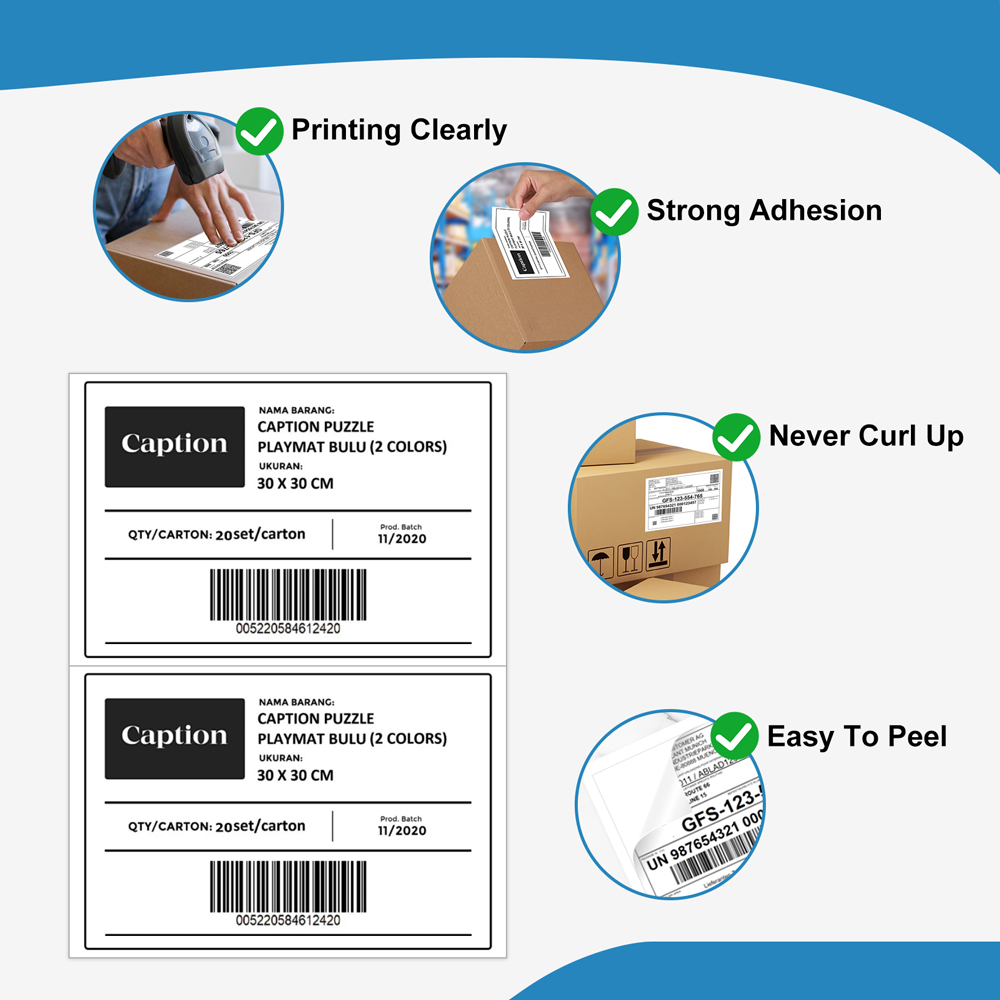
5. What is the material and durability like?
Material Composition
1. Paper-Based Labels: These are the most common and are made from different types of paper, including matte, semi-gloss, and glossy finishes. Paper labels are cost-effective and ideal for short-term applications where durability is not a primary concern.
2. Synthetic Labels: Made from materials such as polyester, polypropylene, and vinyl, these labels are more durable and resistant to water, chemicals, and tearing. They are suitable for outdoor use or in harsh environments where longevity is essential.
3. Adhesives: The adhesive used on label sheets can vary depending on the intended application. Permanent adhesives offer strong, long-lasting bonds, while removable adhesives allow for easy repositioning or removal without leaving residue.
Material Composition
1. Paper-Based Labels: These are the most common and are made from different types of paper, including matte, semi-gloss, and glossy finishes. Paper labels are cost-effective and ideal for short-term applications where durability is not a primary concern.
2. Synthetic Labels: Made from materials such as polyester, polypropylene, and vinyl, these labels are more durable and resistant to water, chemicals, and tearing. They are suitable for outdoor use or in harsh environments where longevity is essential.
3. Adhesives: The adhesive used on label sheets can vary depending on the intended application. Permanent adhesives offer strong, long-lasting bonds, while removable adhesives allow for easy repositioning or removal without leaving residue.
6. How is the safety performance?
Materials and Non-Toxicity
- Safe Ingredients: High-quality label sheets are made from non-toxic materials, ensuring they are safe for handling and application. This is particularly important in industries like food and healthcare, where labels may come into contact with consumable products or medical supplies.
- Compliance with Standards: Reputable manufacturers produce label sheets that comply with safety standards and regulations such as REACH (Registration, Evaluation, Authorization, and Restriction of Chemicals) in the EU, ensuring that no harmful substances are present.
Adhesive Quality
- Strong Bonding: The adhesive used in label sheets must provide a strong and durable bond to prevent labels from peeling off, which could lead to misidentification or loss of critical information.Better adhesion than Thermal Adhesive Sticker.This is vital in logistics and shipping where labels are exposed to various conditions.
- Residue-Free Removal: In cases where labels need to be removed, high-quality label sheets should leave no residue, preventing any contamination or damage to the surfaces they were applied to.